



What if the challenges you’re facing aren’t just problems, but opportunities for profound organizational reinvention?
Organizational transformation is a significant undertaking that goes far beyond a simple software upgrade or process change. It involves a fundamental shift in a company’s structure, culture, and strategy to achieve a new level of performance and prepare for the future. Recognizing when your organization is ready for this journey is the first and most critical step.
For many leaders, these signs appear as persistent challenges that hinder business growth and innovation. They are not just temporary setbacks but deep-seated issues that signal a need for strategic change. Here are three undeniable signs that your organization is ripe for a comprehensive organizational transformation.
1. Declining Performance & Market Position
This is often the most obvious and urgent sign. A gradual or sudden drop in key performance indicators (KPIs) can be a glaring red flag. This isn’t just about a bad quarter; it’s a persistent trend that suggests a deeper, systemic issue.
- Financial Indicators: Are your revenue, profitability, or market share in a consistent decline? This can be a symptom of an outdated business model, a failure to innovate, or an inability to keep pace with competitors. The fate of companies like Blockbuster, which failed to adapt to the digital streaming revolution, serves as a powerful cautionary tale of a missed business transformation.
- Customer & Market Signals: Are customer satisfaction scores falling? Are you losing key clients or struggling to attract new ones? When your offerings no longer meet evolving customer needs or market demands, it’s a clear indicator that your current strategy is no longer viable.
- Competitive Lag: Are new competitors entering the market with more agile business models, innovative products, or a more compelling value proposition? If your company is constantly playing catch-up, it means the organization lacks the agility and foresight to lead, not just compete.
2. Internal Inefficiencies & Siloed Operations
Even if financial performance is stable, internal pain points can signal a need for transformation. These issues often act as invisible barriers to innovation, collaboration, and business growth.
- Process Inefficiency: Do daily workflows feel cumbersome and bogged down by bureaucracy? Are individuals spending valuable time on repetitive, non-value-adding tasks? Such operational inefficiencies not only drain resources but also lead to frustration and burnout, hindering overall productivity.
- Siloed Departments: When teams or departments operate in isolation, they create “data silos” and communication breakdowns. This lack of collaboration prevents a holistic understanding of the business and makes it nearly impossible to execute integrated, company-wide strategies. This is a common symptom of a broken corporate culture.
- Outdated Technology: Your technology should enable, not hinder, your business. If your systems are old, disconnected, and difficult to use, it’s a sign you’re carrying a heavy burden of “technical debt” that prevents you from automating processes, gathering valuable data, and adapting to new ways of working. This is a crucial area for digital transformation.
3. Widespread Disengagement & High Turnover
The state of your workforce is a powerful barometer for organizational health. When people are disengaged and leaving, it signals a deeper cultural or leadership problem that requires a transformational response.
- Lack of Psychological Safety: Do people feel hesitant to voice new ideas, challenge the status quo, or provide honest feedback for fear of retribution? A corporate culture that lacks psychological safety stifles innovation and prevents crucial insights from reaching leadership.
- Resistance to Change: Is there a palpable sense of cynicism or resistance to any new initiative? This can be a symptom of “change fatigue” from past failed initiatives or a fundamental distrust in leadership. Without buy-in from individuals, any new strategy is doomed to fail.
- High Turnover Rates: When top talent starts to leave, it’s a critical warning sign. Talented individuals are often the first to recognize when a company’s vision is stagnant or its culture is toxic. High turnover is costly and can severely impact morale and productivity, and is a clear sign that engagement needs a transformational fix.
Is Your Organization Ready for Transformation?
Recognizing these signs is the first step toward a healthier, more agile, and more competitive future. While these challenges can feel daunting, they are not a warning of failure but a clear call to action. They represent a profound opportunity to build a more resilient, innovative, and thriving organization.
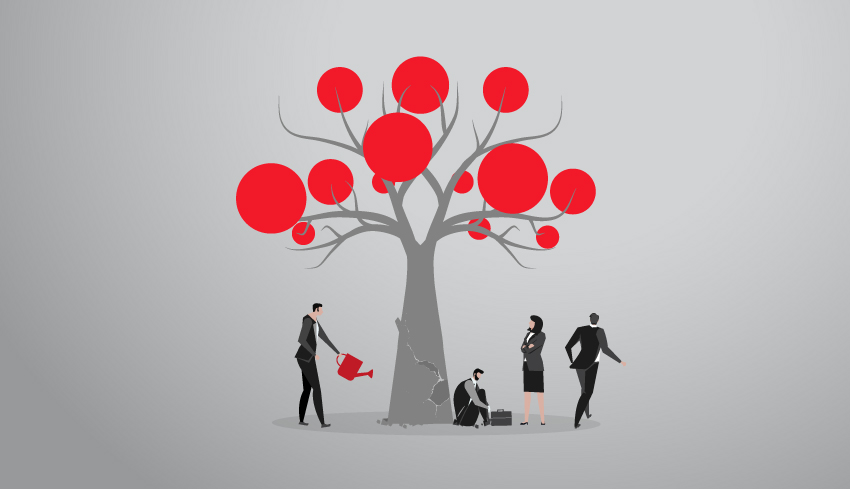
True transformation is like tending to the roots of a tree; only by nourishing them can the whole organization thrive.